
Mastering Turn Usage in Prompts: How to Build Reliable AI Agents
Discover how to master turn usage in prompts to build reliable AI agents. Learn key techniques for managing multi-turn conversational context.
As autonomous AI agents become central to complex automation and software development, managing how they interact over time is critical. A common pitfall when building agentic systems is ignoring turn usage—the structured cycle of prompt inputs, reasoning steps, and tool execution returns. Without explicit turn rules, AI agents can easily fall into infinite loops, suffer context drift, or exhaust API token limits.
What Is Turn Usage in AI Prompts?
In the context of AI agents, a turn represents a single cycle where the agent receives context, processes information, and takes an action (such as generating text or calling an external tool). In multi-turn workflows, the output of turn one becomes part of the prompt history for turn two.
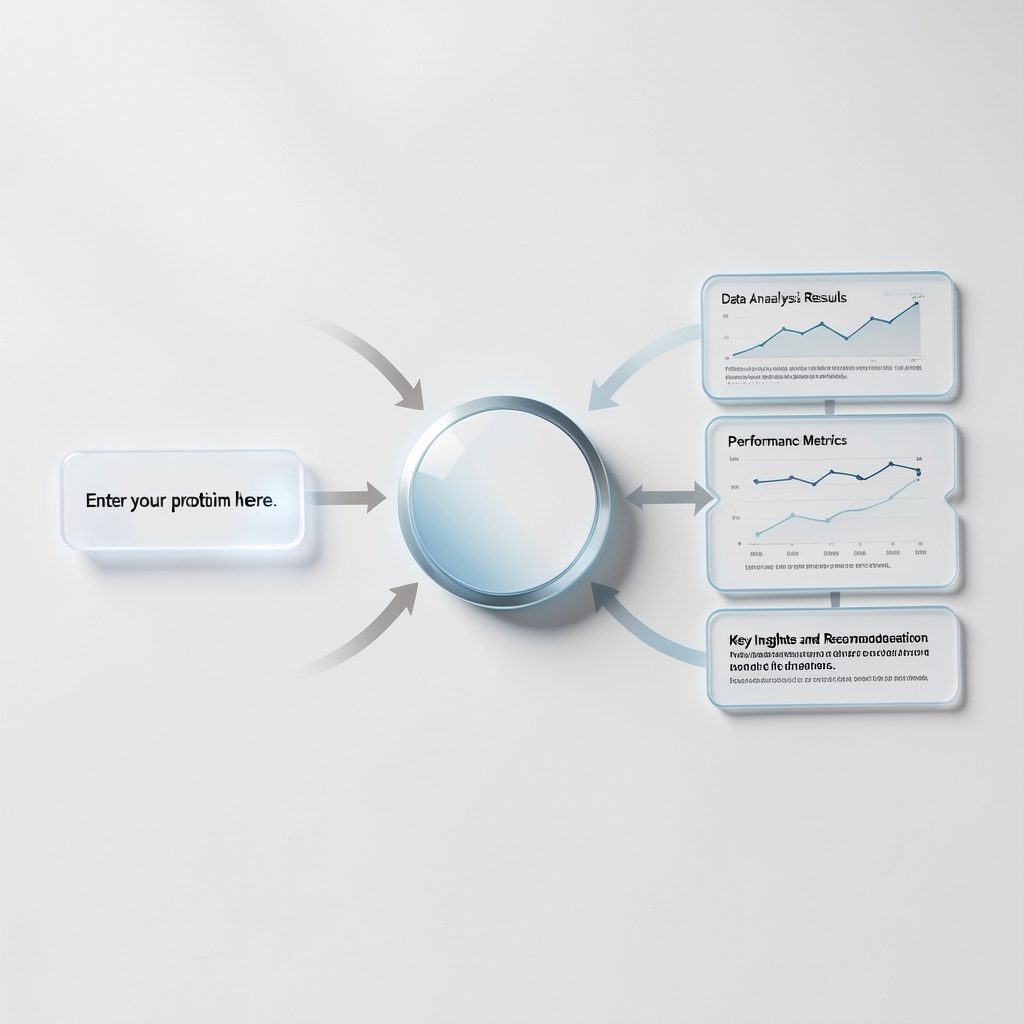
When designing prompts for multi-step agent execution, controlling turn usage means defining how much context passes between turns, setting maximum turn thresholds, and instructing the agent on when to stop or summarize its progress.
Best Practices for Managing Prompt Turns
To maximize accuracy and lower execution costs, integrate these strategies into your system prompts:
- Set Explicit Turn Budgets: Tell the agent how many turns it has to complete a task. For example, include: 'You have a maximum of 5 turns to complete this task. On turn 4, synthesize your final response if you have not finished.'
- Require State Summarization: Prevent context drift by instructing the agent to output a brief summary of current progress at the end of every turn before invoking the next tool.
- Define Unambiguous Exit Conditions: State clearly what constitutes a finished task so the agent does not continue calling tools indefinitely.
Overcoming Context Degradation Across Turns
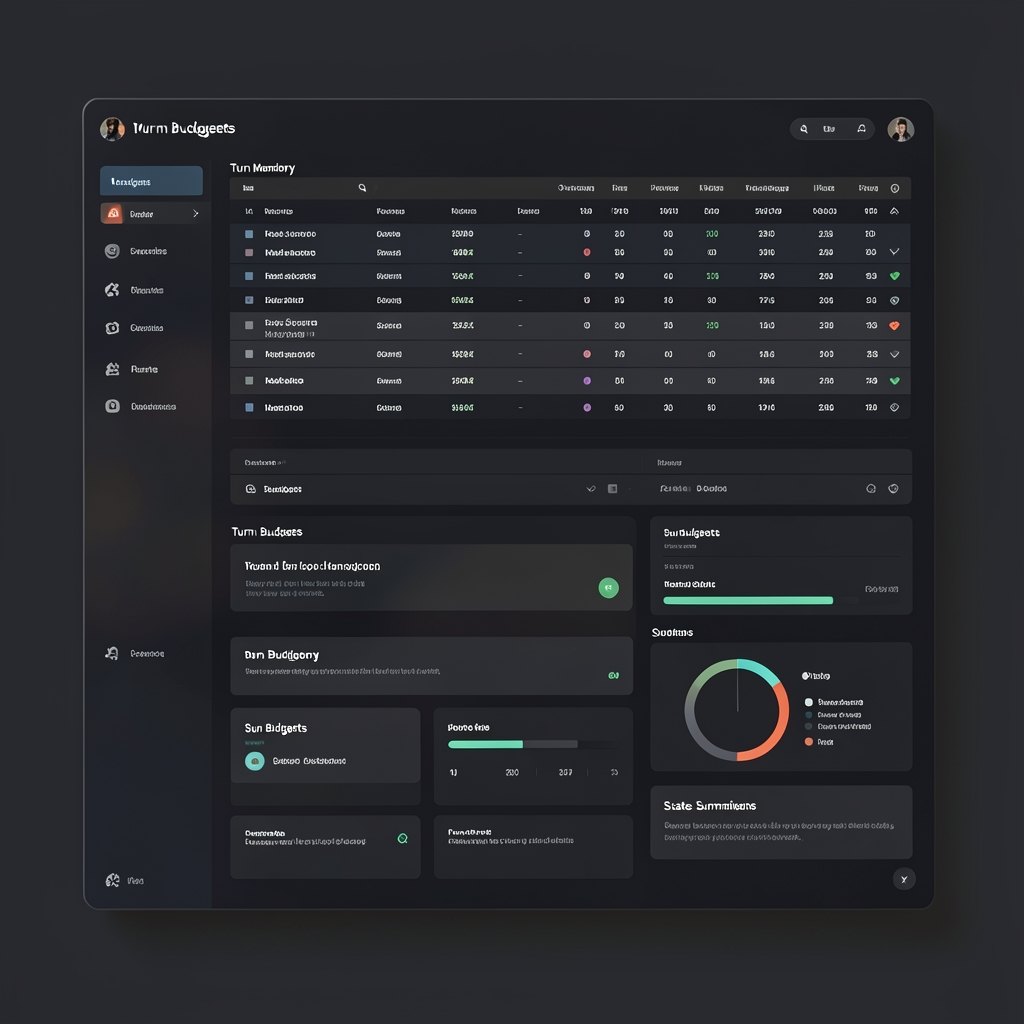
As the number of turns increases, older context begins to lose impact due to attention dilution. To keep your AI agent focused, prune conversation history periodically. Instead of passing every raw turn back into the prompt, compress earlier turns into a structured memory log containing key decisions, discovered variables, and pending actions.
Conclusion
Properly managing turn usage transforms unpredictable conversational models into disciplined, efficient autonomous systems. By enforcing turn budgets, requiring progress summaries, and keeping your prompt history lean, you can build AI agents that deliver consistent results on time and within budget.