
Beyond Prompting: How AI Skills Are Redefining Digital Productivity

Explore how artificial intelligence is evolving beyond simple prompting. Discover how actionable AI skills are driving the next era of digital productivity.

The Evolution of Artificial Intelligence Interaction
In the initial phase of public AI adoption, the primary focus was on prompt engineering—the art of crafting precise text instructions to extract useful responses from large language models. Users spent hours refining queries, tweaking phrasing, and adding system instructions to get the desired output. However, we are now witnessing a fundamental paradigm shift: the transition from ad-hoc prompts to structured, reusable AI skills.
What Are AI Skills?
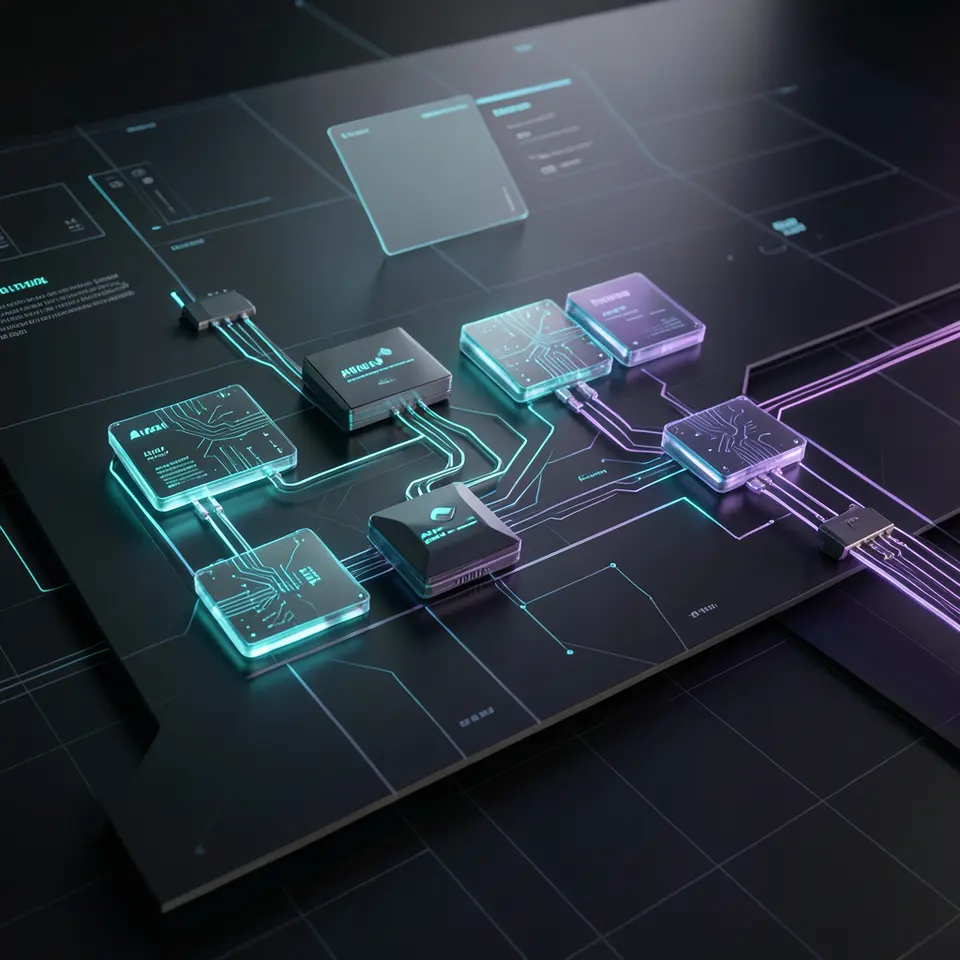
While a prompt is a single interaction, an AI skill is a packaged, repeatable capability. Skills combine structured instructions, tool execution, and contextual data into automated units of work. Instead of explaining a task from scratch every time, users and organizations can trigger defined skills that carry out complex multi-step processes autonomously.
Key differences between basic prompts and modern AI skills include:
- Context Persistence: Skills retain operational context and predefined parameters without requiring setup in every query.
- Tool Integration: Skills can interact directly with APIs, databases, and third-party software to execute actions, not just generate text.
- Standardization: Organizations can deploy uniform skills across teams to ensure reliable, high-quality outcomes.

Why the Shift to AI Skills Matters
Moving to a skill-based model significantly reduces cognitive overhead. Employees no longer need to become master prompt engineers to leverage artificial intelligence effectively. Instead, they interact with a catalog of specialized skills tailored to specific business functions, such as code auditing, financial reporting, or localized content generation.
This evolution enables true workflow automation. Rather than manually copying and pasting prompt outputs into different applications, AI skills handle end-to-end tasks, seamlessly bridging the gap between intelligence and execution.
Adapting to the Skill-Driven Era
To stay competitive in this new phase of technological adoption, business leaders and professionals should focus on process architecture rather than just prompt design. Identifying repetitive operational bottlenecks, standardizing input expectations, and organizing functional workflows into reusable skills will be the key to unlocking scalable productivity.